








Burberry and Richemont reveal how cautious spending persists for high-end buyers in Japan and China
British fashion house Burberry reported a 7 per cent increase in comparable retail sales across Greater China in their interim results, while Swiss luxury group Richemont reported robust growth across mainland China, Hong Kong and Macau, led by stronger demand in the latter two markets.
Japan was another bright spot for Richemont, sales rose 18 per cent year-on-year, or 30 per cent at constant exchange rates, from May to September. The company attributed growth across all business areas to strong domestic demand and tourist spending.
Dr Shaun Borstrock, Professor of Luxury and Consumer Culture at Ravensbourne University London, said: “Burberry’s growth in China is a rebound from a very low base. It was led by outerwear and scarves where the sales are generated from more cautious spending. On the other hand. Richemont’s business is far bigger and expensive jewellery is harder to sell while confidence is weak.”
The figures represent an important milestone for chief executive of Burberry Joshua Schulman, who took over in July 2024 and launched the company’s turnaround strategy later that year.
“Two years ago, we launched Burberry Forward. Today, our brand and our business are stronger,” Schulman said in the results announcement.
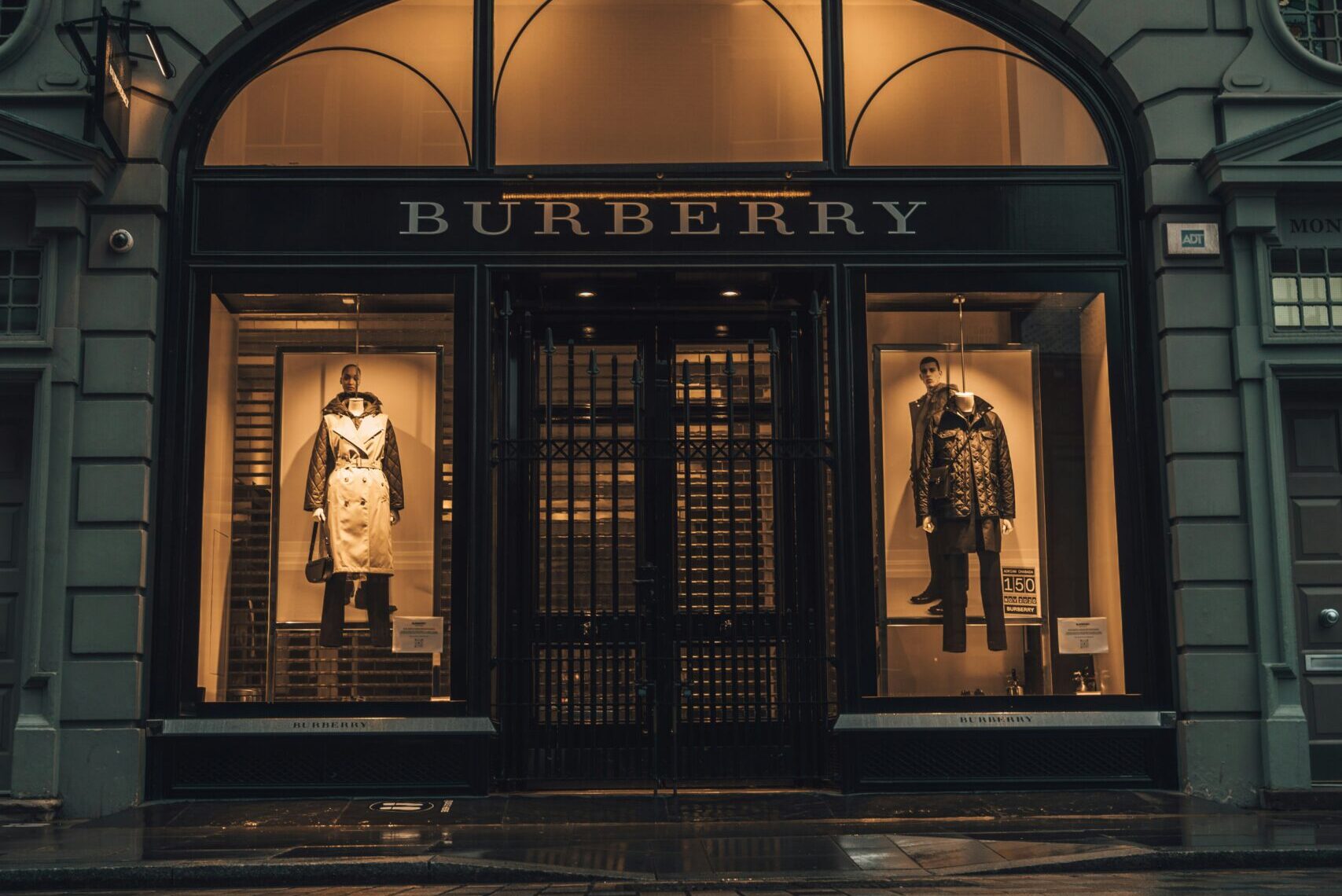
The strategy has involved returning the brand to its British heritage, placing greater emphasis on its signature trench coats, scarves and outerwear while broadening its product offering across different price points.
According to Borstrock, a company such as Burberry has to “earn desire again each season” and is at its strongest when it concentrates on what it is truly known for such as the trench coat and outerwear.
Richemont, which owns Cartier, Van Cleef & Arpels and specialist watchmakers including Vacheron Constantin, reported similarly strong results on Friday.
Group revenue rose 16 per cent to €12.3b in from May to September, while operating profit increased 33 per cent to €3.1b. Its jewellery brands such as Cartier were the principal growth driver, with sales increasing 19 per cent at constant exchange rates.
“Jewellery has a different kind of loyalty,” said Borstrock.
“Gold and precious stones carry intrinsic worth, designs such as the Cartier Love bracelet or Trinity ring have barely changed in generations, and pieces are bought to mark moments in a life and to be passed on,” he said.
Jewellery has not seen as much growth in consumer spending in China because it is harder to sell when confidence is weak.
In Japan, a weak yen and rising prices make jewellery more attractive than fashion, said Borstrock.
Sales of gems, precious metals and artwork at Japanese department stores rose 19 per cent in the first half of 2026 to ¥330bn, a record for the period, as shoppers sought assets they believed could protect their wealth against inflation.