









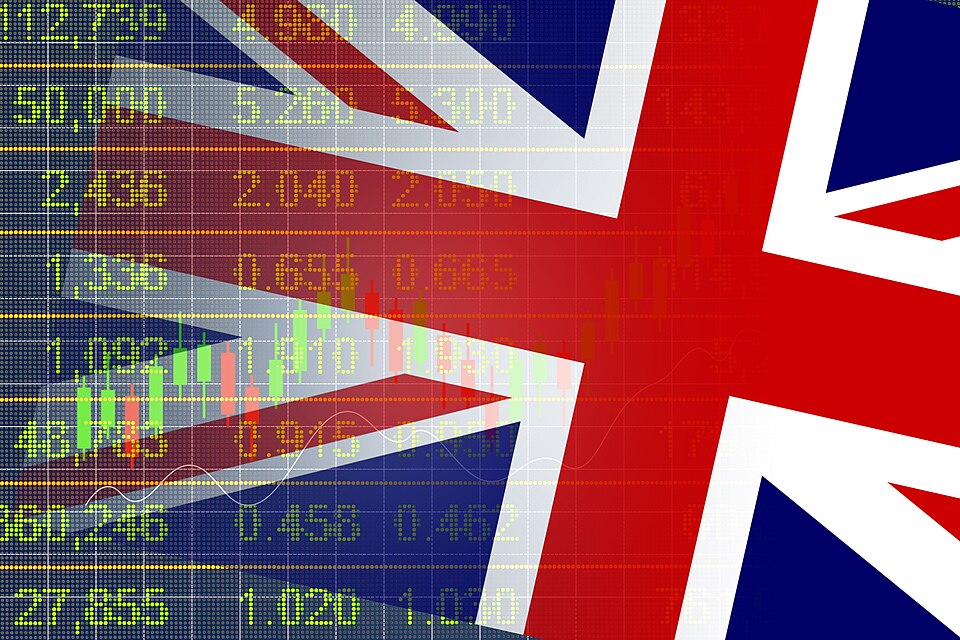
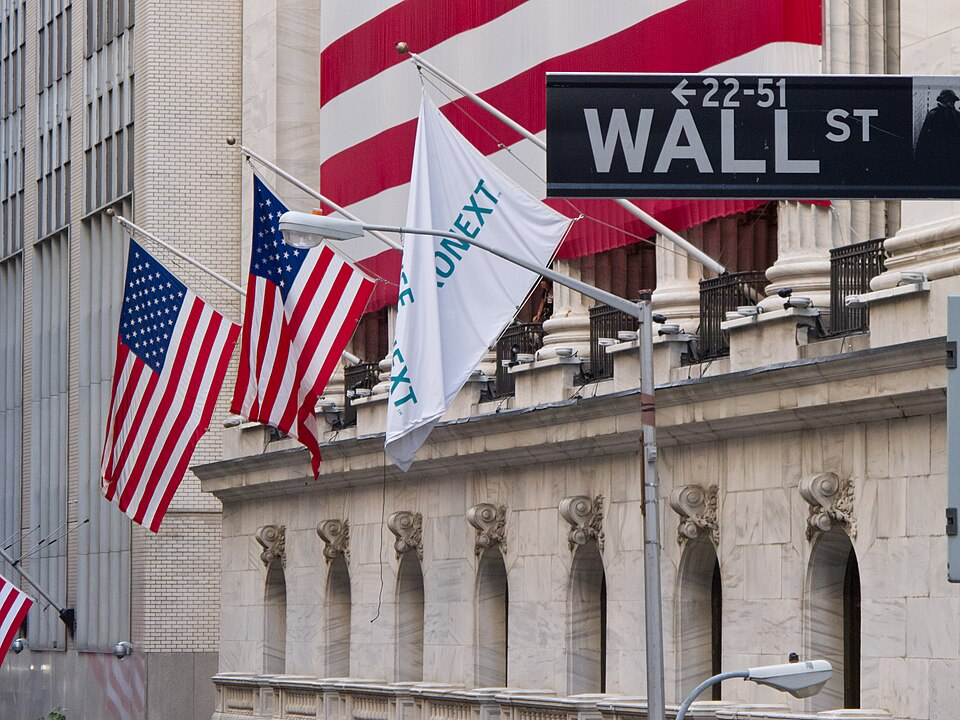
UK markets fared better than other major markets, following the AI selloff and Tuesday’s US Midterm elections, due to the lower concentration of tech companies in the benchmark indices.
In the past 24 hours, leading indices in the US, Japan, Taiwan and South Korea all plummeted by more than five per cent amid fears of a Democrat clampdown on AI companies. Meanwhile, the price of brent crude fell below $100 per barrel for the first time since September amid hopes of renewed peace talks with Iran.
While the contagion did reach European markets, with the FTSE 100 and STOXX 50 indices down around two per cent on Friday, the reaction in the UK has been more muted.
“Europe is up pretty much across the board, perhaps in the hope that the US will take a less pugnacious stance on issues such as Greenland and trade,” wrote Russ Mould of AJ Bell in a research note to clients.
But the UK stock market, in particular, is largely composed of so-called “defensive” companies like banks and energy companies, a safe haven for investors rotating out of more risk-driven technology stocks.
“AI is predominately US-driven,” says David Buik, author of Money Market Mayhem. “At present, the tech sector [here] is tiny. However, sentiment plays a huge role. Unfortunately, the woes of the US can drag prices down in the UK.”
UK plc’s resilience is particularly interesting considering the renewed strength of the pound, which earlier this week regained its pre-Brexit value according to official data and was further strengthened by the Bank of England’s decision to raise interest rates on Thursday.
A strong pound is usually bad news for FTSE companies, most of whom earn their revenue in US dollars and other foreign currencies.
But the FTSE 250 clocked a record high in intraday trading on Thursday, with the FTSE 100 also coming close.
Meanwhile, UK bond yields, a measure of government borrowing costs, reached multi-month lows in the week before the Bank’s decision to raise rates and remain muted, suggesting that the Chancellor “Do No Harm” Budget last week seems to have reassured investors.
It is not all good news of course. Perhaps ironically for a “defensive” market, it is the UK’s defence stocks which might suffer the most with experts predicting that a Democrat-controlled Congress will lead to greater US military support for Ukraine and renewed peace efforts with Iran. Shares in BAE Systems shares plummeted 5 per cent on Wednesday.
With the new Congress not being sworn in until January, all eyes will be on how US markets react upon opening this afternoon and what signals emerge from the Oval Office in the coming days.