


With manifesto tax pledges looming large ahead of the Budget, attention is turning to how Labour is performing on the rest of its 2024 election promises.
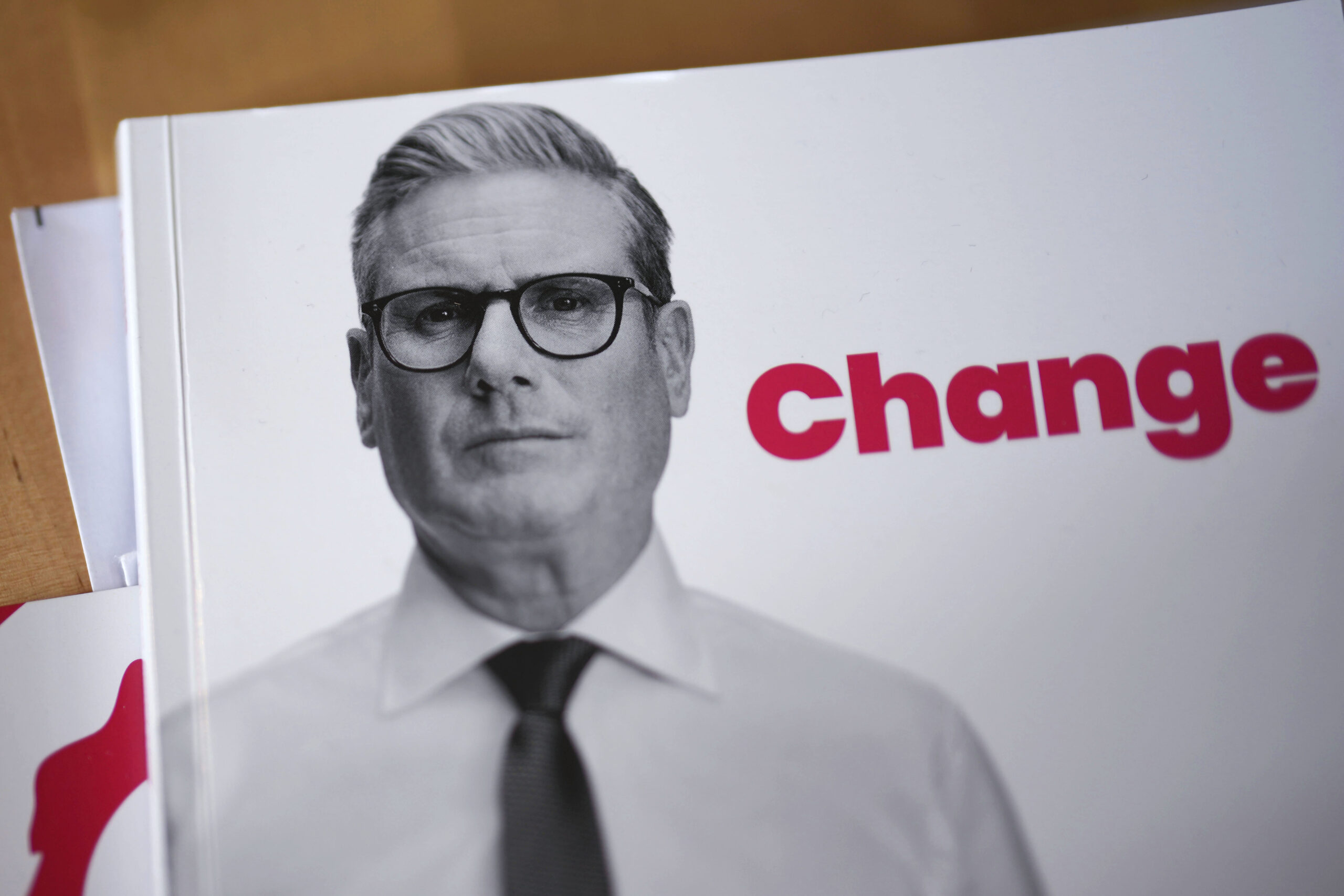
Labour’s July 2024 manifesto set out six headline ambitions, ranging from the broad promise to “deliver economic stability” to specific commitments such as recruiting thousands of new teachers. The Government is less than 18 months into a potential five-year term, but the Budget’s tax decisions may affect its ability to meet those goals.
1) “Deliver economic stability with tough spending rules… and keep taxes, inflation and mortgages as low as possible.”
It remains to be seen what the overall tax burden in terms of government taxation as a proportion of GDP will be after the budget, but since July 2024, it has not changed significantly according to the House of Commons Library.
The manifesto restated the pledge not to raise National Insurance or the basic, higher or additional rates of Income Tax, as well as VAT. Those three taxes together make up about 75 per cent of total receipts, limiting scope for revenue-raising elsewhere.
2) “Cut NHS waiting times with 40,000 more appointments each week.”
This is one pledge which at first glance has been fulfilled, but the scale appears modest. Forty thousand weekly appointments equate to roughly a 0.5 per cent annual increase. NHS appointments rose from 344.9 million to 373.4 million between July 2023 and July 2024, an 8.2 per cent rise. In the year since Labour took office, they have increased by only 2.8 per cent, according to the Institute for Government, suggesting a marked slowdown in growth.
3) “Launch a new Border Security Command… to smash the criminal boat gangs.”
The Border Security Command was established shortly after Labour took office. However, “irregular” small-boat crossings rose by 20 per cent in the year to November 2025 compared with the previous year, according to Home Office data.
4) “Set up Great British Energy, a publicly owned clean power company.”
Legislation creating Great British Energy gained Royal Assent in May 2025. Initial spending included £200m for rooftop solar on public buildings, £300m to support the offshore wind supply chain and £10m for community energy projects.
The manifesto envisaged £8.3bn of investment over the Parliament, and it remains unclear whether that scale of funding can now be deployed.
5) “Crack down on antisocial behaviour”.
In the year to September 2023, 34 per cent of adults reported experiencing or witnessing antisocial behaviour, according to the ONS. The most recent figures, from March 2025, show that number ticking up to 35 per cent.
6) “Recruit 6,500 new teachers in key subjects”.
There were almost 24,000 new postgraduate entrants began initial teacher training in 2024/25, an eight per cent rise on the previous year. STEM postgraduate entrants increased to 5,700, more than one thousand higher than the previous year, according to the Teacher Training Census. However, these applicants began the process under the previous government.
Summary
The political focus on tax commitments contrasts with uneven progress across the rest of the manifesto’s pledges, raising questions about the value of detailed forward commitments when some – such as the 40,000 weekly NHS appointments – are set at levels that guarantee success, even as broader ambitions risk slipping out of reach.