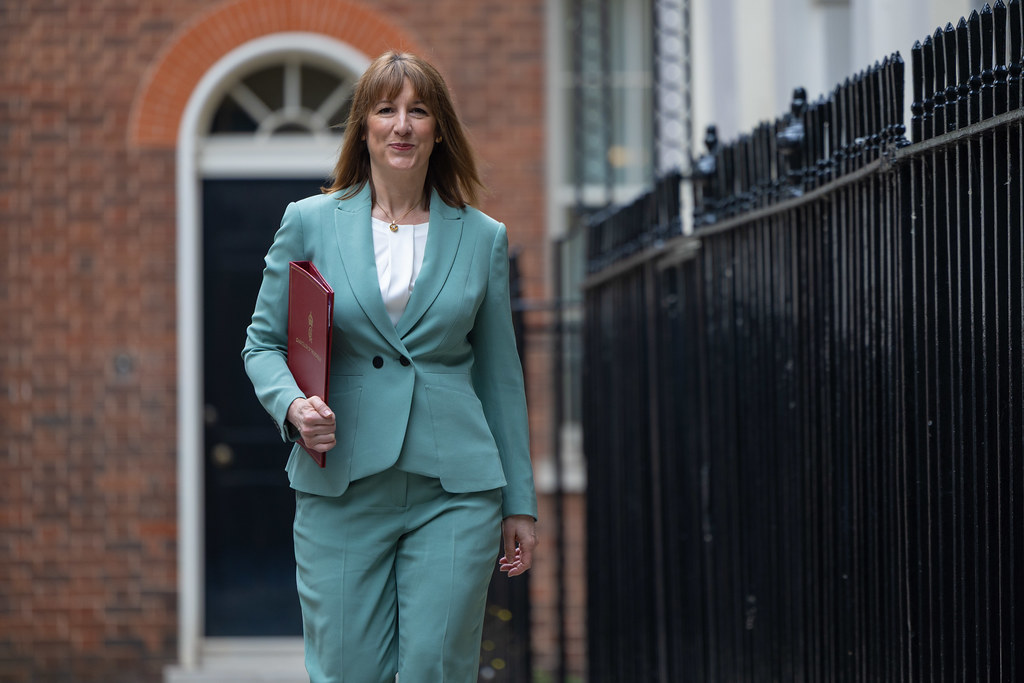

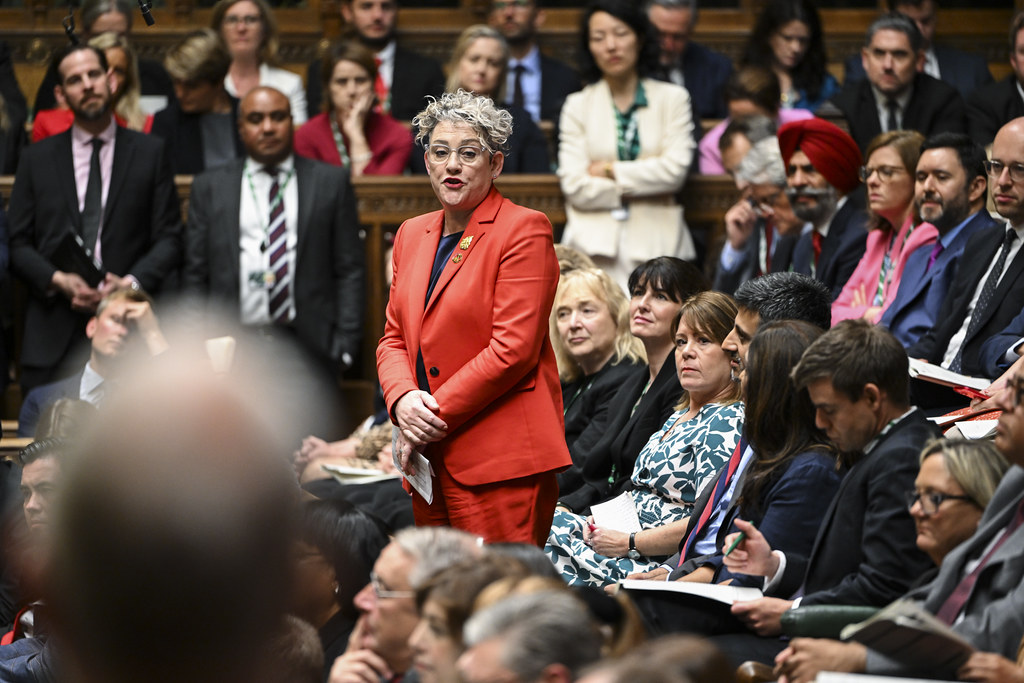
Rachel Reeves allocated billions in financial support to voters in Labour’s political heartlands, as the government faces increasing threats ahead of local elections in May.
The measures included £1.3 billion in additional funding for the Scottish and Welsh governments, a scrapping of the two-child benefit cap and a surprise £2.3 billion miners’ pension scheme.
In the clearest indication yet that the government fears losing support in key Labour areas, the policies particularly appeal to rural areas where it has lost votes, such as Caerphilly, where it recently lost a by-election to progressive nationalists Plaid Cymru.
In response, left-wing Labour MP John McDonnell posted a tribute on X to MPs who had faced disciplinary action for supporting a lifting of the two child cap in the past, declaring “We’ve won.”
The Chancellor also announced a historic government-owned pension scheme for miners which Labour MP for Easington Grahame Morris, who has campaigned on this issue, called “a hard-won victory for all in the coal industry”. Recent polls have suggested Labour faced particular pressure from Reform in former mining areas.
Looking down at Reeves from the dispatch box, Conservative leader Kemi Badenoch responded to the announced measures by accusing the government of “buying the votes of their own MPs with taxpayers’ money”.
Meanwhile, Reform leader Nigel Farage described a recent visit to Wales to reporters, saying “I certainly got the feeling that the economy in certain parts of this country is very much on the edge of a precipice.”
He said a Reform government would only scrap the two child benefit cap for families of British citizens with both parents in work.
Danny Kruger MP, who recently converted to the insurgent right-wing party, argued on BBC Politics Live after the budget that Reform would encourage UK population growth amid what he called a ‘demographic crisis’.
Reform did not immediately respond to a request for comment.
The move comes as Starmer’s government has faced increasing speculation, with many of its own MPs privately briefing reporters that the May local elections are make or break for his leadership.