




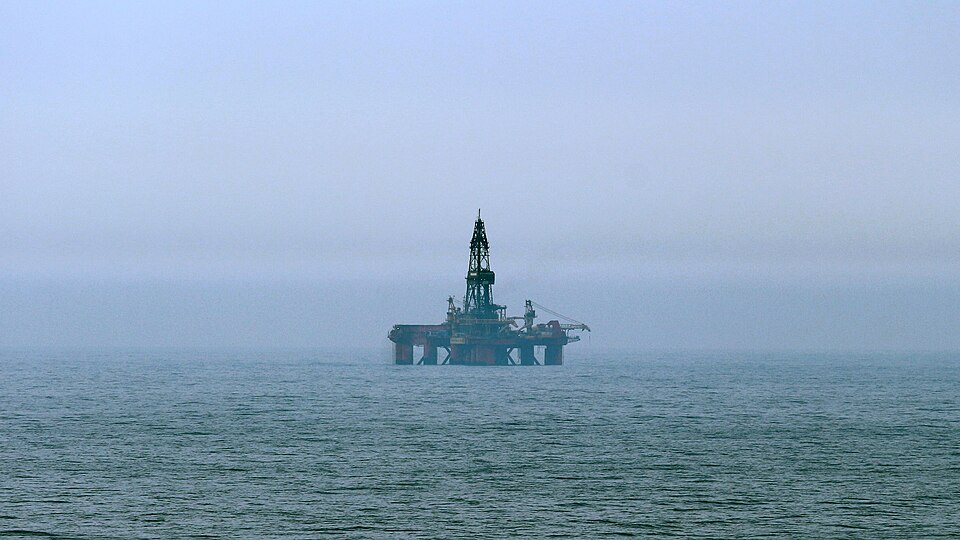
A government paper released alongside the budget announced that limited new North Sea oil and gas production will be allowed but ruled out further exploration or a tax reduction.
A new class of permits, known as ‘Transitional Energy Certificates’, will allow oil and gas companies to expand extraction near existing oil fields as long as production doesn’t require new exploration and uses existing infrastructure.
However, further exploration drilling will not be allowed, and the Energy Profits Levy, a windfall tax first introduced to tax oil industry profits after Russia’s invasion of Ukraine in 2022, will remain in place.
This leaves the headline rate of tax paid by the UK’s oil and gas industry at 75 percent. The industry provides a significant amount of tax revenues to the exchequer, paying £9 billion in the financial year of 2022 to 2023.
Offshore Energies UK, a trade group, called the decision not to withdraw the Energy Profits Levy a “bitter blow to the UK’s energy workers and industry”. The industry supports 200,000 jobs nationwide.
Greenpeace was more congratulatory of the decision but warned more support was required for North Sea workers, telling The Guardian “the current plan … to support North Sea workers doesn’t go far enough. It’s vital they are at the heart of Britain’s transition to a clean-energy superpower, not left behind by it”.