

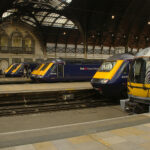
The government is freezing all regulated rail fares in England for one year starting from March 2026.
This means prices of season tickets, peak return fares for commuters and off‑peak returns between major cities will all stay the same until March 2027.
The measure will save commuters on expensive routes more than £300 per year and is being introduced as a cost-cutting measure to curb inflation.
Also among the policies targeted at cutting Consumer Price Inflation in 2026-27 by 0.4 percent are measures affecting energy bills, the temporary extension of the freeze on fuel duty, and a one-year freeze on rail fares, according to the Office of Budget Responsibility.
Historic freeze on rail fares was first announced on on November 23, the first such freeze in three decades.
This move was aimed at easing household costs and supporting economic growth. The freeze is expected to cover all regulated fares, including season tickets, peak returns, and off-peak returns between major cities.
Transport accounts for roughly 14 percent of household spending, meaning commuters could save hundreds of pounds per year.
On some of the busiest routes, typical savings could reach up to £315 per year for Milton Keynes to London, £173 for Woking to London, and £57 for Bradford to Leeds.